A Guide for Directors, Soloists, and Ensembles
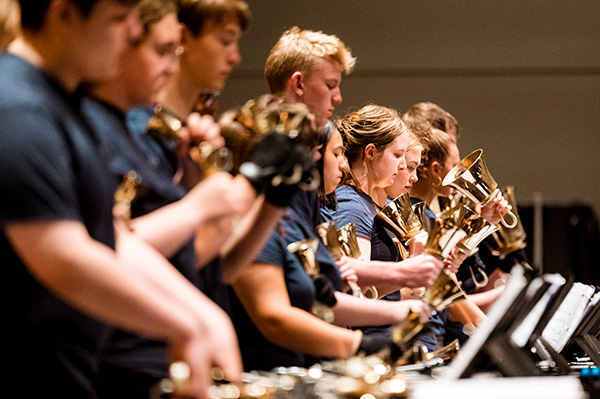
A. Program Goals & Philosophy
The primary goal of the Handbell Musicians of America (HMA) Assessment Program is to promote musical growth and excellence within the handbell community. Unlike traditional school-based assessments, this program is designed to serve independent community groups, church choirs, school ensembles, and soloists alike.
The objectives of the assessment are:
- To provide constructive, professional feedback to directors and ringers.
- To encourage the preparation and performance of high-quality literature.
- To offer an objective standard of performance evaluation outside of a competitive environment.
- To support the development of musical artistry in handbell ringing.
B. Eligibility
Participation in the HMA Assessment Program is open to any handbell group or soloist. There are no prerequisites regarding age, institutional affiliation (school/church/community), or experience level.
Classifications include:
- Soloist: A single ringer (with or without accompaniment).
- Small Ensemble: Groups with fewer than 8 musicians (e.g., duets, trios, quartets).
- Full Handbell Choir: Ensembles with 8 or more musicians.


C. Registration & Fee
Registration is conducted entirely online through the Handbell Musicians of America website.
Registration Process:
- Navigate to www.handbellmusicians.org.
- Select the Assessment Program portal.
- Complete the ensemble profile and pay the requisite fee.
- Upon registration, the primary contact will receive a secure link to upload the performance video.
- Fee Structure for HMA Members
- Soloist: $100.00
- Small Ensemble (under 8 musicians): $100.00
- Full Handbell Choir (8+ musicians): $100.00
- Optional Video Feedback: Additional $100.00 (See Section F)
D. Scheduling & Submission Format
Assessment at Your Convenience
To accommodate the diverse schedules of community and church groups, the HMA Assessment Program does not take place at a specific physical location or on a specific date.
- Timeline: Assessments may be submitted at any time during the year.
- Format: The assessment is currently offered exclusively through video submission.
- Upload: Once registered, directors will upload their performance video via the link provided in their registration confirmation.
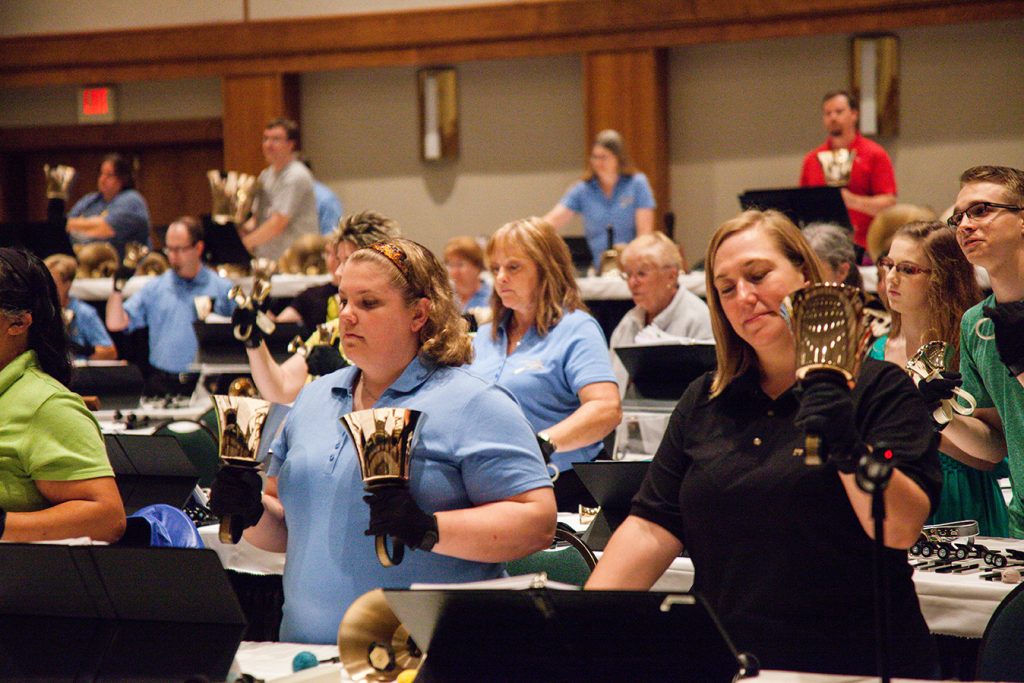
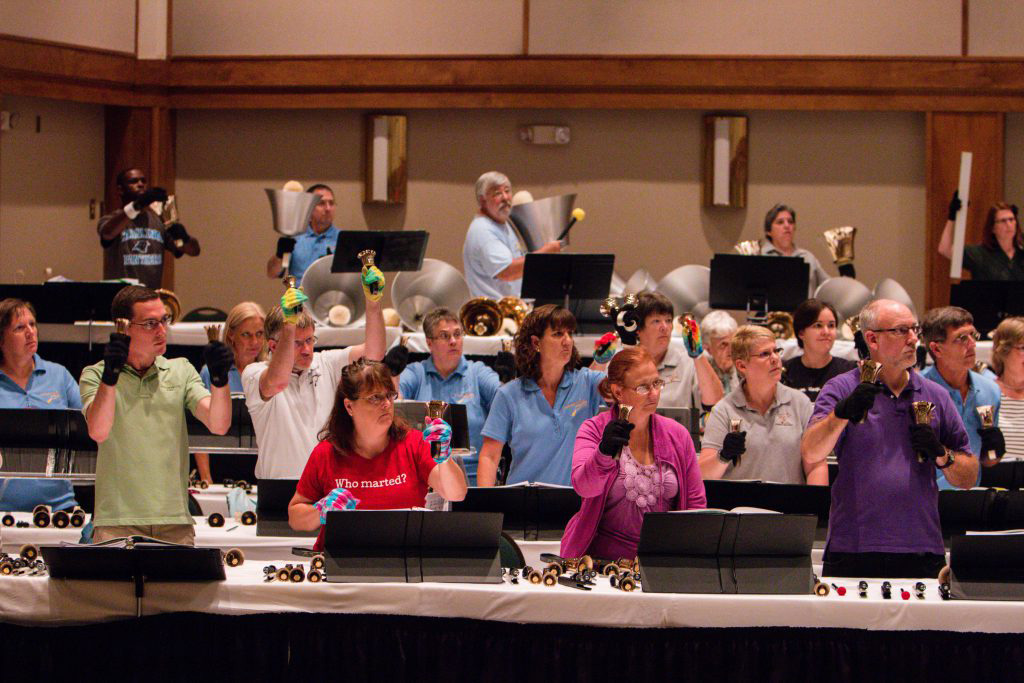
E. Choosing Repertoire
The selection of music is at the discretion of the director or soloist, provided it meets the following criteria:
- Graded Difficulty: The submission must be a piece that has been assigned a difficulty grade (e.g., Level 1, Level 2+, etc.) by the publisher or listed as such on a major music distributor’s website.
- Approved List: There is no mandatory “prescribed music list” (PML). Any published, graded handbell literature is acceptable.
- Memorization: Memorization of the music is not required for any classification.
- Accompaniment: If the selected piece includes parts for keyboard, percussion, or other instruments, the performance must include those instruments. Backing tracks are acceptable if a live accompanist is unavailable, provided the balance allows the adjudicators to hear the handbells clearly.
F. Adjudication & Feedback
The Adjudicators
Adjudicators for the program are selected from among the most respected handbell music educators in the field.
- They include educators from middle school, high school, and collegiate levels.
- All adjudicators are degreed musicians.
- All adjudicators have completed specific HMA adjudication training.
The Assessment Process
Once the video is uploaded, the adjudication panel will review the performance. Results are typically returned within two weeks of submission.
Types of Feedback:
- Written Assessment: A detailed critique covering technique, musicality, precision, and interpretation.
- Performance Rating: (Optional) The group may choose to receive a rating (e.g., Superior, Excellent) or receive “Comments Only.”
- Online Video Feedback (Add-on): For an additional fee of $100, the group will receive a video response or from the adjudicator or the Director can set up a Zoom clinic with the director or ensemble. This allows for visual demonstration and more personalized coaching feedback based on the performance.
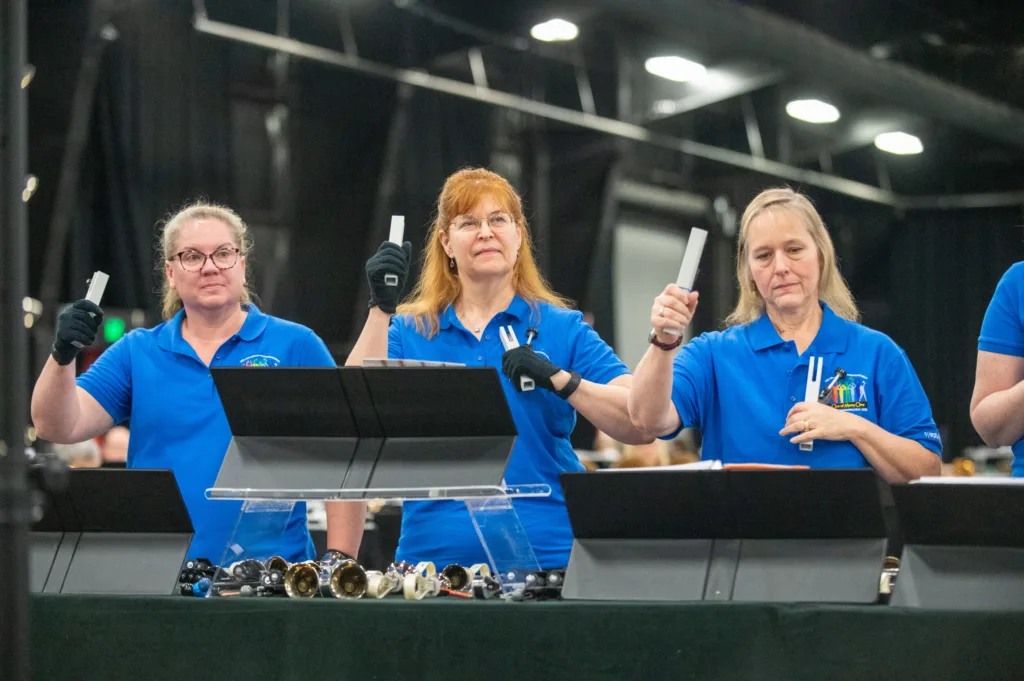
G. Assessment Forms & Rubrics
Directors and participants are encouraged to review the criteria by which they will be evaluated prior to recording their performance.
Current assessment forms and detailed rubrics are available for download below: